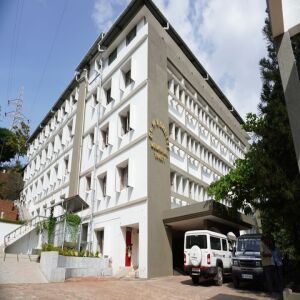
Leelavathi Shetty College of Education, established in the year 2007, is a premier institution dedicated to providing high-quality education in the field of teacher training. Affiliated with Mangalore University, our college offers a comprehensive Bachelor of...
Leelavathi Shetty College of Education, established in the year 2007, is a premier institution dedicated to providing high-quality education in the field of teacher training. Affiliated with Mangalore University, our college offers a comprehensive Bachelor of Education (B.Ed) Programme designed to equip aspiring educators with the knowledge, skills, and values necessary for a successful career in teaching.
The B.Ed program at Leelavathi Shetty College of Education, initiated in 2007 and affiliated with Mangalore University, is a comprehensive two-year course designed to equip aspiring educators with the essential knowledge and skills for a successful teaching career. Spanning a diverse curriculum that covers educational psychology, pedagogy, and specialized methodologies, the program provides a well-rounded understanding of the principles and practices of teaching.
Through practical training components such as teaching internships and classroom observations, students gain hands-on experience, applying theoretical knowledge in real-world educational settings. The B.Ed program also offers specializations, allowing individuals to tailor their learning experience based on their interests and career aspirations. Guided by experienced faculty members, the program places a strong emphasis on professional development and the cultivation of ethical values. Leelavathi Shetty College of Education provides a transformative learning environment and modern facilities, laying the groundwork for a fulfilling and impactful journey in the field of education.
|
Semester 1 |
1.1 |
Childhood And Adolescence |
|
1.2 |
Philosophical & Sociological Bases of Education |
|
|
1.3 |
Educational Technology |
|
|
1.4 |
understanding Discipline and Pedagogy: 1.4.1 Languages 1.4.2 Social Science 1.4.2 Science 1.4.4 Mathematics 1.4.5 Commerce 1.4.6 Understanding Discipline & Pedagogy &School Subjects |
|
|
1.5 |
ICT – Basic competencies |
|
|
1.6 |
Language Across the Curriculum |
|
|
1.7 |
Psycho-Social tools and Techniques |
|
|
1.8 |
Simulation & Micro Teaching |
|
|
Semester 2 |
2.1 |
Learning and Teaching Process |
|
2.2 |
Educational Evaluation |
|
|
2.3 |
Pedagogic tools, Techniques and Approaches |
|
|
2.4 |
Subject Specific Pedagogy (Any Two) 2.4.1 Kannada 2.4.2 English 2.4.3 Hindi 2.4.6 Social Science 2.4.8 Physics 2.4.9 Chemistry 2.4.10 Biology 2.4.11 Mathematics 2.4.12 Commerce |
|
|
2.5 |
School Lessons and Reflective Dairy |
|
|
2.6 |
Research Project |
|
|
2.7 |
Unit Plan and Unit Test |
|
|
2.8 |
Block Teaching and Filed work |
|
|
Semester 3 |
3.1 |
Inclusive Education |
|
3.2 |
Knowledge and Curriculum |
|
|
3.3 |
Education in Contemporary India |
|
|
3.4 |
Optional course (Any One) 3.4.1 Guidance and counseling 3.4.2 Value Education 3.4.3 Health and Physical Education |
|
|
3.5 |
ICT Applications |
|
|
3.6 |
Understanding Self and Yoga |
|
|
3.7 |
Simulated ICT based lessons |
|
|
3.8 |
Drama and Art in Education |
|
|
Semester 4 |
4.1 |
Gender School and Society Advanced Pedagogy of Specific subjects (Any two) Field work and Immersion |
|
4.2 |
Educational Management & Organization |
|
|
4.3 |
Reading and Reflecting |
|
|
4.4 |
Practical Examination |
|
|
4.5 |
Pedagogy-1 |
|
|
4.6 |
Pedagogy-II |
Candidates seeking admission to the B.Ed. programme should be as prescribed by NCTE, UGC, State Government and Mangalore University. Candidates with at least fifty percent marks either in Bachelor‘s Degree or the Master‘s Degree in Science/Social Science/Commerce/Humanity, Bachelors in Engineering or Technology with specialization in Science and Mathematics or any other qualification equivalent there to are eligible for admission to the programme and 45% for SC/ST/OBC/PWD/371(J) and any other categories/type shall be as per the rules of the Central Government/State Government whichever is applicable.
Following Original Certificates should be submitted at the time of Admission with one set of attested copy :
The pedagogical approach for the Bachelor of Education (B.Ed) program at Leelavathi Shetty College of Education is carefully designed to provide a comprehensive and enriching educational experience. Our pedagogical philosophy encompasses the following key aspects:
Classroom Teaching: Start your career as a classroom teacher, educating and inspiring students at the primary, secondary, or higher secondary levels. Develop your pedagogical skills, classroom management, and subject expertise to create a positive and impactful learning environment.
Educational Administration: Transition into educational leadership roles, such as school principal, vice-principal, or department head. In these positions, you can contribute to shaping school policies, curriculum development, and fostering a positive school culture.
Curriculum Development: Explore opportunities in designing and developing educational curricula. Work with educational institutions, textbook publishers, or educational technology companies to create engaging and effective learning materials.
Educational Consulting: Provide consultancy services to schools, educational institutions, or government bodies. Offer expertise in areas such as curriculum planning, teacher training, and educational program evaluation to enhance the quality of education.
Education Technology Integration: Combine your teaching skills with technology by exploring roles in education technology. Work as an instructional designer, e-learning developer, or educational technology specialist to integrate innovative tools and platforms into the learning experience.
Special Education: Specialize in special education to support students with diverse learning needs. Work in inclusive classrooms, resource rooms, or special education centers, providing tailored instruction and support for students with disabilities.
Adult and Continuing Education: Pursue a career in adult education, offering courses and programs for adult learners. Work in community colleges, vocational training centers, or corporate training programs to facilitate lifelong learning.
Educational Research: Contribute to the field of education through research. Work as an educational researcher, conducting studies on teaching methodologies, learning outcomes, and educational policies to inform improvements in the education system.
Career Counseling: Guide students in making informed career decisions. Work as a career counselor in schools, colleges, or career development centers, helping individuals explore career options and develop a plan for their future.
International Education: Explore opportunities in international education by working with educational organizations, NGOs, or government agencies involved in global education initiatives. Contribute to cross-cultural understanding and collaboration in education.
Nonprofit and NGOs: Engage in educational initiatives with nonprofit organizations and NGOs. Contribute to projects focused on education access, literacy programs, and community development to make a positive impact on society.
Educational Policy Analysis: Enter the realm of educational policy analysis and advocacy. Work with government agencies, think tanks, or advocacy groups to influence policies that address systemic issues in education, such as equity, access, and quality.